
Four Killed in Post-Election Violence in West Bengal: Democracy Under Strain
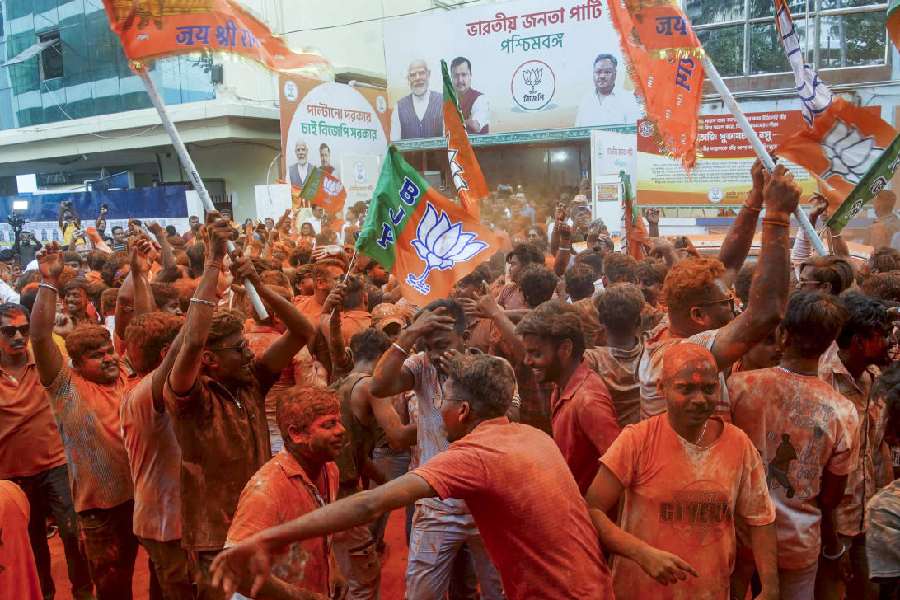
The aftermath of elections is expected to reflect the spirit of democracy — celebration, debate, and peaceful political transition. Unfortunately, recent events in West Bengal have once again highlighted a darker reality. Reports of post-election violence resulting in four deaths have raised serious concerns about political intolerance, law and order, and the safety of ordinary citizens caught in political conflict.
A Troubling Pattern
Post-election violence is not new in West Bengal. Over the years, the state has witnessed repeated clashes between supporters of rival political parties after election results are announced. This latest incident follows a similar pattern: tensions escalated in several districts after the declaration of results, leading to violent confrontations, vandalism, and tragic loss of life.
According to media reports, the violence erupted between workers and supporters of opposing political groups. Homes and local party offices were allegedly attacked in some areas, forcing several families to flee temporarily for safety. Police forces were deployed to restore order, but the incidents have already intensified political accusations and public anxiety.
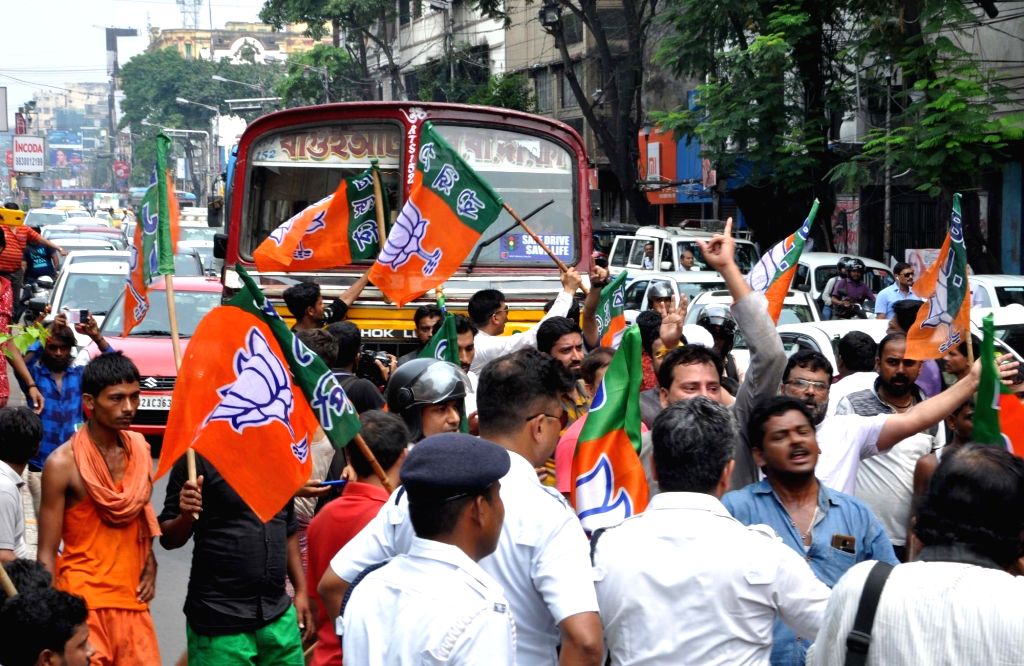
Why Does Post-Election Violence Happen?
Political violence often grows from a combination of deep-rooted rivalry, local power struggles, and emotional polarization during election campaigns. In many regions, political identity becomes closely tied to community influence, employment opportunities, and local administration. When election results threaten existing power structures, tensions can quickly turn violent.
Several factors contribute to such unrest:
- Extreme political polarization
- Weak local conflict-resolution mechanisms
- Fear of political retaliation
- Spread of misinformation and rumors
- Competitive grassroots party culture
Social media can also worsen tensions by rapidly circulating unverified claims, provocative videos, and inflammatory messages.
Impact on Democracy
Violence after elections damages public trust in democratic institutions. Elections are meant to empower citizens through peaceful participation, but recurring clashes create fear among voters and discourage political engagement.
The biggest victims are often ordinary residents who have no direct role in political conflicts. Families lose loved ones, businesses shut down temporarily, and communities become divided along party lines. Such incidents also affect the state’s image and raise concerns about governance and public security.
Political Reactions
Leaders from multiple parties have condemned the violence while simultaneously blaming rivals for provoking unrest. Calls for impartial investigations and stricter law enforcement have grown louder. Human rights groups and civil society organizations are also urging authorities to ensure accountability and protect vulnerable communities.
Security forces continue to monitor sensitive districts, and additional deployments have reportedly been made to prevent further escalation.
The Need for Long-Term Solutions
Preventing post-election violence requires more than temporary police action. Sustainable peace depends on stronger democratic culture and political accountability. Some important steps include:
- Faster legal action against those involved in violence
- Neutral and transparent policing
- Responsible political messaging by party leaders
- Community peace-building initiatives
- Stronger action against misinformation online
Political competition is natural in a democracy, but violence should never become part of the electoral process.
Conclusion
The deaths reported in West Bengal serve as a painful reminder that democracy is not only about voting — it is also about respecting differences peacefully. As investigations continue, citizens across India will be watching closely to see whether justice is delivered and whether meaningful steps are taken to prevent future violence.
A healthy democracy depends not just on election results, but on the ability of people with opposing political views to coexist without fear.